
Category: General Blogs
Josiah Heapy, Burslem 1842
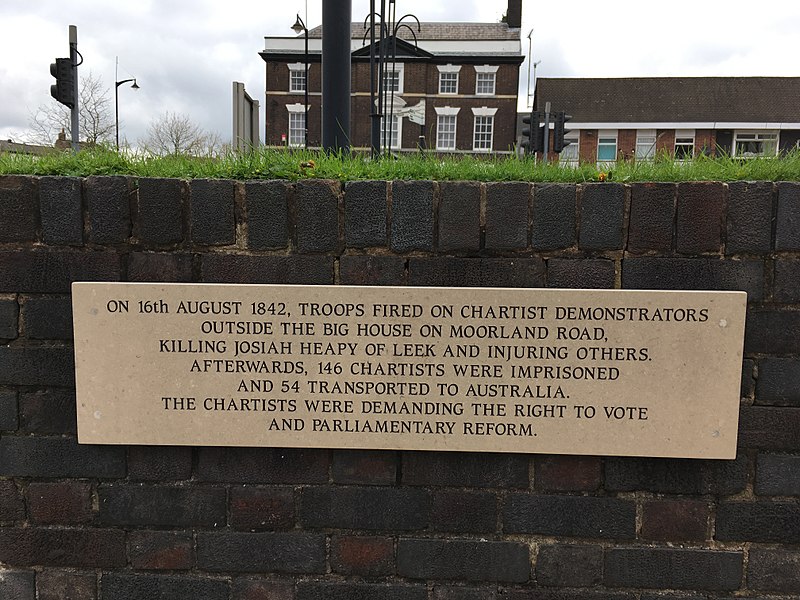
There is a plaque in Burslem that recalls the fateful day in August 1842 when local man Josiah Heapy was killed by troops when he participated in a nationwide strike that linked together demands for democratic reform with better wages.
Heapy, of Leek, was among hundreds who gathered close to Swanbank Methodist Church, Burslem on 16 August 1842 for a Chartist Movement meeting. Similar events were taking place nationally. To find out more download for free the book, The General Strike of 1842, which is now out of print, that was written by Mick Jenkins in 1980. https://libcom.org/history/general-strike-1842
According to Jenkins the strike “lasted twice the length of the 1926 General Strike, and was the most massive industrial action to take place in Britain – and probably anywhere — in the nineteenth century.”
It was because the strikers took up the political demands espoused by Chartism that there was confrontation not just with employers but with the state.
Government troops were instructed to open fire on the crowd at Burslem. Healy was shot dead. Similar scenes took place at the time in Blackburn https://markwrite.co.uk/2018/06/14/darwen-street-blackburn-recalls-1842-general-strike/
Stalybridge https://markwrite.co.uk/2018/06/13/stalybridge-1842-general-strike/
Preston and Halifax, were 6 people were killed. http://www.unitetheunion.org/growing-our-union/education/bookofthemonth/october-2016/
Many demonstrators were injured at Burslem and afterwards the authorities cracked down hard on local Chartists with 146 arrested and 54 transported to Australia.
The national strike was eventually to be lost due to the strength of the ruling class (*) but those who turned-out were not intimidated. Many marched back with their heads held high and had learnt a great deal that prepared the ground for the establishment of trade unions over the following decades. The action had advanced class aims and this is why the orthodox historian has sought to concentrate on one small aspect of it — the pulling of plugs out of boilers.
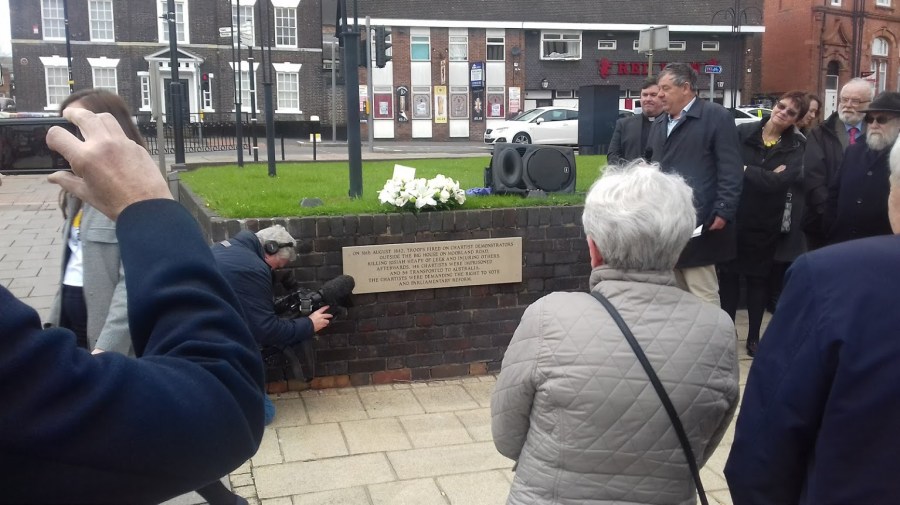
The idea for plaque, which was provided by the City of Stoke on Trent Council, originated from members of the North Staffordshire Trades Union Council and was the result of lobbying by Jason Hill, who said at the unveiling: “This is important because we have to remember many of the freedoms we have today — the right to vote, right to strike, right to organise a trade union — didn’t exist 175 years ago.
“People fought hard to try to win those freedoms and in some cases made the ultimate sacrifice, like Josiah Heapy.”
The BBC report from the unveiling event on Workers Memorial Day contained a quote from Chrissie Gibson, a distant relative of Josiah Heapy.
“I have been interested in Chartism and in social history so to see his name here, with everybody respecting what he did, it’s so great to be part of it,” she said.
- Recognising the need to be seen to make some concessions the ruling class did introduce some new laws that for the first time ever sought to restrict the power of capital. The 1844 Factory Act restricted working hours and the 1847 Factory Act further restricted the employer’s ability to utilise his capital as he saw fit BUT there was no concession on universal suffrage.
For more on Mick Jenkins book see:- http://www.unitetheunion.org/growing-our-union/education/bookofthemonth/october-2017/
Many thanks to engineer Andy Platt, a Unite member of the Stoke on Trent local branch 6110, for sending in the information on the plaque.



Mary Gawthorpe (1881 – 1973)
Bramley, Leeds
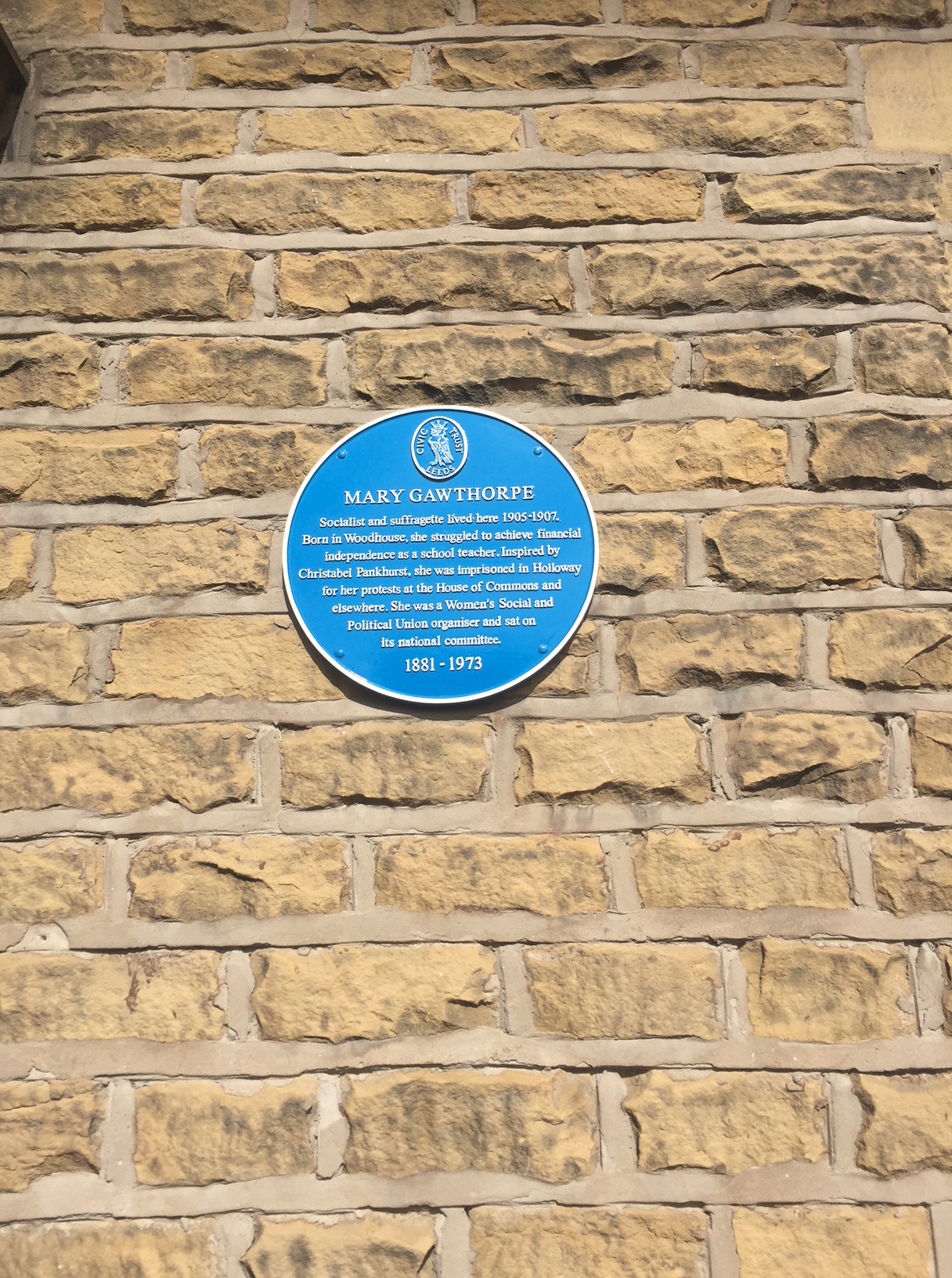
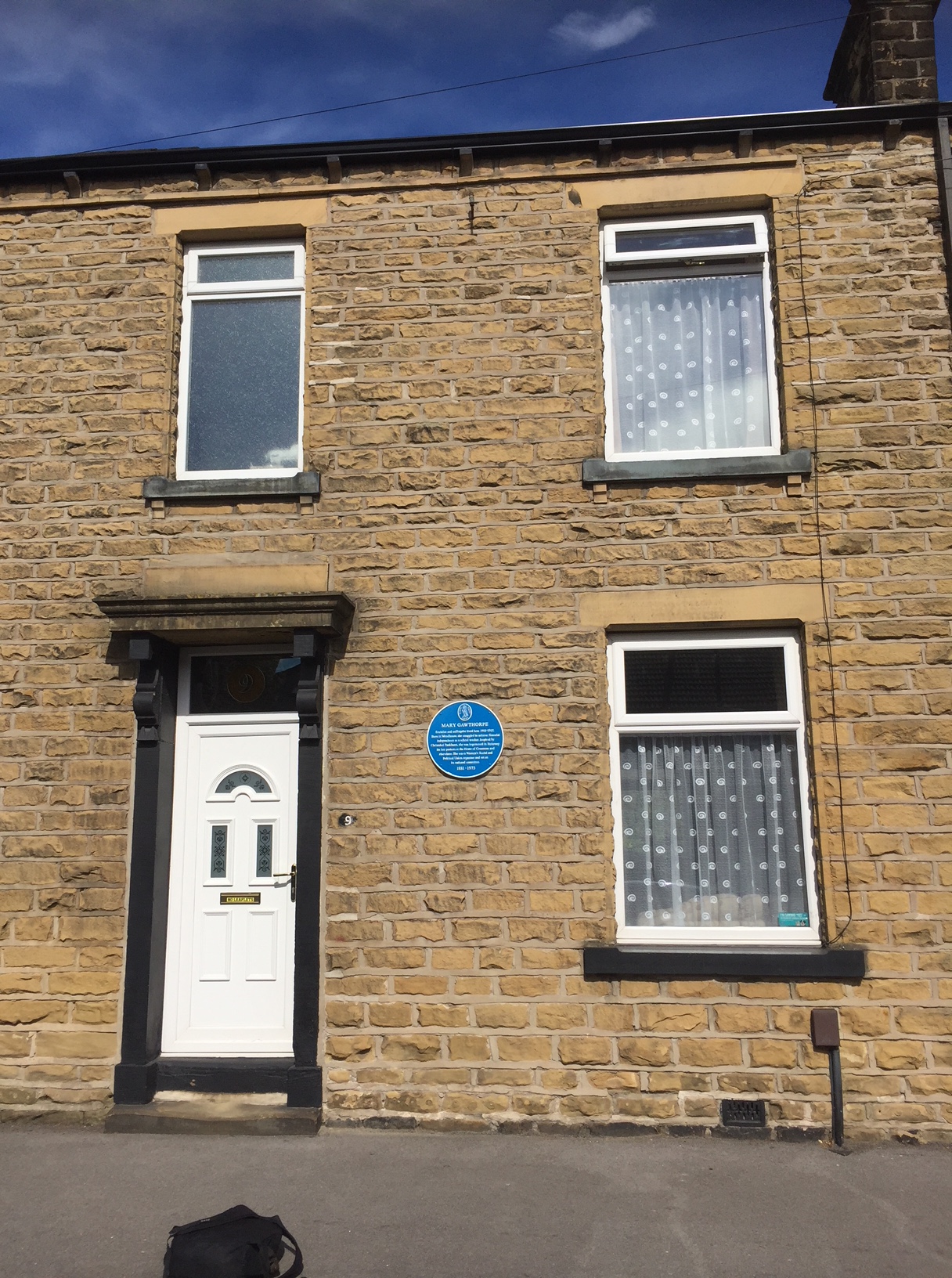
A Leeds Civic Trust blue plaque is mounted on the former home of Leeds-born suffragette and political activist Mary Gawthorpe (1881–1973). It was unveiled in April 2015 at 9 Warrels Mount, Bramley by Dr Jill Liddington, an eminent historian, writer and Royal Historical Society Fellow.
Born in a back-to-back house in Woodhouse, Leeds, Mary, whose father, an alcoholic, was a leatherworker, started work as a teacher. Her growing passion for socialist politics and trade unionism — she was active in the National Federation of Teaching Assistants – led to her becoming in 1906 a full-time organiser for the Women’s Social and Political Union. (WSPU) Gawthorpe joined up with Sylvia Pankhurst and Alice Hawkins to form a WSPU presence in Leicester. She spoke at national events, including a Hyde Park rally in 1908 that attracted over 200,000 people. In 1909 she suffered serious internal injuries after being badly beaten for heckling Winston Churchill.
Arrested several times for her political activism she was imprisoned in Holloway. Along with Dora Marsden, Gawthorpe was co-editor of the radical periodical The Freewoman: A Weekly Feminist Review, which discussed topics such as women’s wage work, housework, motherhood, suffrage movement and literature. The periodical encouraged frank discussions on sexuality, morality and marriage, and urged tolerance for male homosexuality.
In 1916, Gawthorpe emigrated to New York City where she was active in the American suffrage movement and became an official of the Amalgamated Clothing Workers Union. Her autobiography, Up Hill to Holloway was published in 1962, eleven years before she died.
Gawthorpe’s name and picture is one of 50 women’s suffrage supporters on the plinth of the Millicent Fawcett statue that was unveiled in Parliament Square, London in 2018.
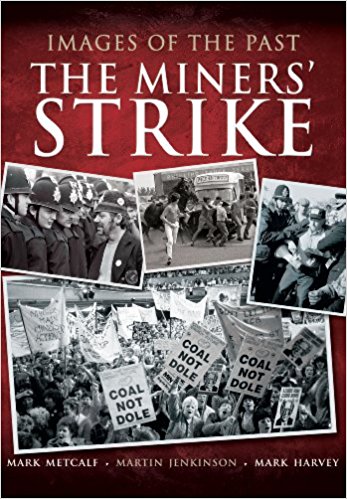
Images of the past: the miners’ strike book review from Tribune magazine
Images Of The Past: The Miners’ Strike is a largely-pictorial record of the untold story of life at the sharp end in the pit villages. The black and white pictures by Jenkinson, official photographer for The Yorkshire Miner (who tragically died of cancer two years ago) capture poignantly the joy, the tears, the police violence, the suffering and the self-help society of the mining communities. It brought tears to these old eyes.
Martin’s extensive image library of the labour movement is being managed by his daughter Justine. He collected graphic evidence of what life was actually like on the picket line, in the soup kitchens and on the dolorous day of the return to work. My favourite is a grainy shot of a commemorative march in the snow in Moorthorpe to the two pickets who lost their lives, David Jones and Joe Green.
But all the pictures are enlightening and the story of the strike is told intelligently and with passion by Metcalf and Harvey. If you want to know about the miners, buy this book.
Images of the Past – THE MINERS’ STRIKE
Martin Jenkinson, Mark Harvey and Mark Metcalf
Sean McGovern
1925 Textile Workers Strike (UNITE the Union History Project booklet)
MOHAMMAD TAJ – Steering from the front
THE GREAT DOCK STRIKE 1889
BENNY ROTHMAN – a fighter for the right to roam, workers’ rights and socialism
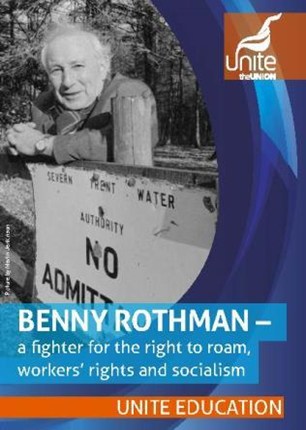
Listen to Mark narrate this booklet for UNITE Education Department here
TOM JONES – a fighter for freedom and working people

JULIA VARLEY – Trade union organiser and fighter for women’s rights

BETTY TEBBS – a radical working-class hero

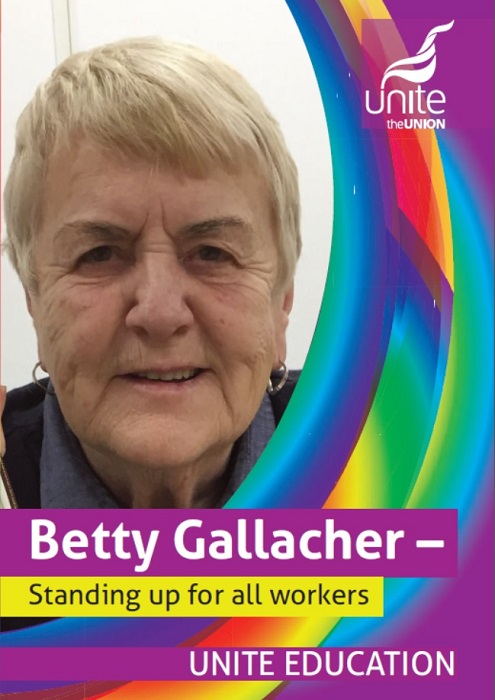
BETTY GALLACHER – Standing up for all workers
TONY HALL: Trade unionist, anti-racist and radical cartoonist

ELLEN STRANGE – a moorland murder mystery explained
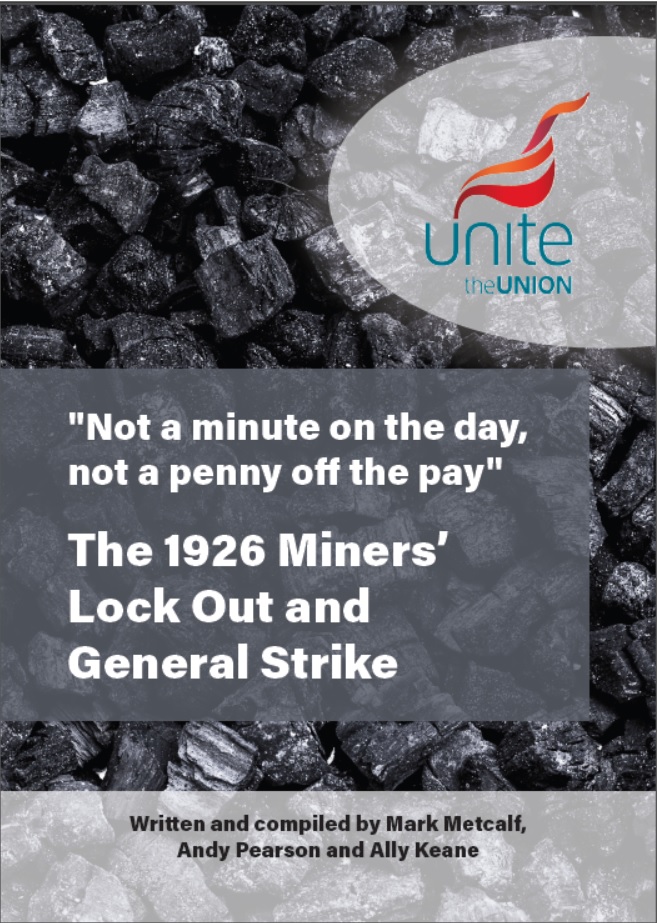
“Not a minute on the day, not a penny off the pay” – the 1926 Miners’ Lock Out and General Strike
The 1926 General Strike lasted 9 days and inspired millions of workers to back the TUC’s call for action to defend locked out coal-miners who were facing wage reductions and worsening conditions. As a heavily industrialised region, members of Unite’s legacy unions in the North East, Yorkshire and Humberside region were centrally involved. This short booklet tells the story of those momentous days.
The Great Yarmouth Dockers

Listen to Mark reading his UNITE the Union booklet on Great Yarmouth Dockers here
Manchester United Disabled Supporters Association is the oldest body of fans in the world and it was a real pleasure and privilege to be able to work with photographer Mark Harvey and Jamie Leeming (who is a MUDSA member) on two unique booklets for the Association.

Dame Sheila McKechnie, Falkirk
A bronze bust memorial of trade unionist Sheila McKechnie, a former director of the homeless charity Shelter and the Consumers’ Association, was unveiled in Falkirk town centre park in August 2005, 18 months after she died in January 2004, aged 55.
Falkik born McKechnie attended Edinburgh University. In 1972 she became Assistant General Secretary of the Wallpaper Workers’ Union. Two years later she became a tutor with the Workers’ Educational Association. In 1976 she joined the Association of Scientific, Technical and Managerial Staffs (which through subsequent mergers is now part of UNITE) as National Health and Safety Officer. She turned health and safety issues from minor concerns into major issues.
In 1985 she moved as Director to Shelter where she turned the organisation once again into a potent force tackling homelessness and its many causes. In doing so she changed many government policies for the better.
In 1995 Sheila McKechnie joined the Consumers’ Association where she again successfully mounted campaigns, this time on mortgage mis-selling and car prices. She also tackled standards in the food industry such that it led to the setting up of the Food Standards Agency in 2000.
She described herself during this time as a “fully paid-up member of the awkward squad” but others remember her as one of the best campaigners of her generation, someone who never tired of fighting injustice and for equality. Awarded an OBE in 1995, she was created a Dame in 2001 for her work on behalf of consumers.
Following her death, partner Alan Grant helped to establish the Sheila McKechnie Foundation http://smk.org.uk and commissioned London sculptress Susanna Robinson to produce the bust, which was unveiled in Dollar Park, close to the Cenotaph on Camelon Road, Falkirk in August 2005.
Provost Jim Johnston, who was among the invited guests at the unveiling, said: “Dame Sheila was an inspiration to us all and a true people’s champion.
“The bust is a very fitting tribute to a marvellous lady and it sits well in the perfect surroundings of Dollar Park. We hope people will find this quiet spot the ideal place to reflect on Dame Sheila’s life.”
Many thanks to the Unite national health and safety officer Bud Hudspith for the photograph and information that appears here.
Dame Sheila McKechnie, Falkirk
A bronze bust memorial of trade unionist Sheila McKechnie, a former director of the homeless charity Shelter and the Consumers’ Association, was unveiled in Falkirk town centre park in August 2005, 18 months after she died in January 2004, aged 55.
Falkik born McKechnie attended Edinburgh University. In 1972 she became Assistant General Secretary of the Wallpaper Workers’ Union. Two years later she became a tutor with the Workers’ Educational Association. In 1976 she joined the Association of Scientific, Technical and Managerial Staffs (which through subsequent mergers is now part of UNITE) as National Health and Safety Officer. She turned health and safety issues from minor concerns into major issues.
In 1985 she moved as Director to Shelter where she turned the organisation once again into a potent force tackling homelessness and its many causes. In doing so she changed many government policies for the better.
In 1995 Sheila McKechnie joined the Consumers’ Association where she again successfully mounted campaigns, this time on mortgage mis-selling and car prices. She also tackled standards in the food industry such that it led to the setting up of the Food Standards Agency in 2000.
She described herself during this time as a “fully paid-up member of the awkward squad” but others remember her as one of the best campaigners of her generation, someone who never tired of fighting injustice and for equality. Awarded an OBE in 1995, she was created a Dame in 2001 for her work on behalf of consumers.
Following her death, partner Alan Grant helped to establish the Sheila McKechnie Foundation http://smk.org.uk and commissioned London sculptress Susanna Robinson to produce the bust, which was unveiled in Dollar Park, close to the Cenotaph on Camelon Road, Falkirk in August 2005.
Provost Jim Johnston, who was among the invited guests at the unveiling, said: “Dame Sheila was an inspiration to us all and a true people’s champion.
“The bust is a very fitting tribute to a marvellous lady and it sits well in the perfect surroundings of Dollar Park. We hope people will find this quiet spot the ideal place to reflect on Dame Sheila’s life.”
Many thanks to the Unite national health and safety officer Bud Hudspith for the photograph and information that appears here.
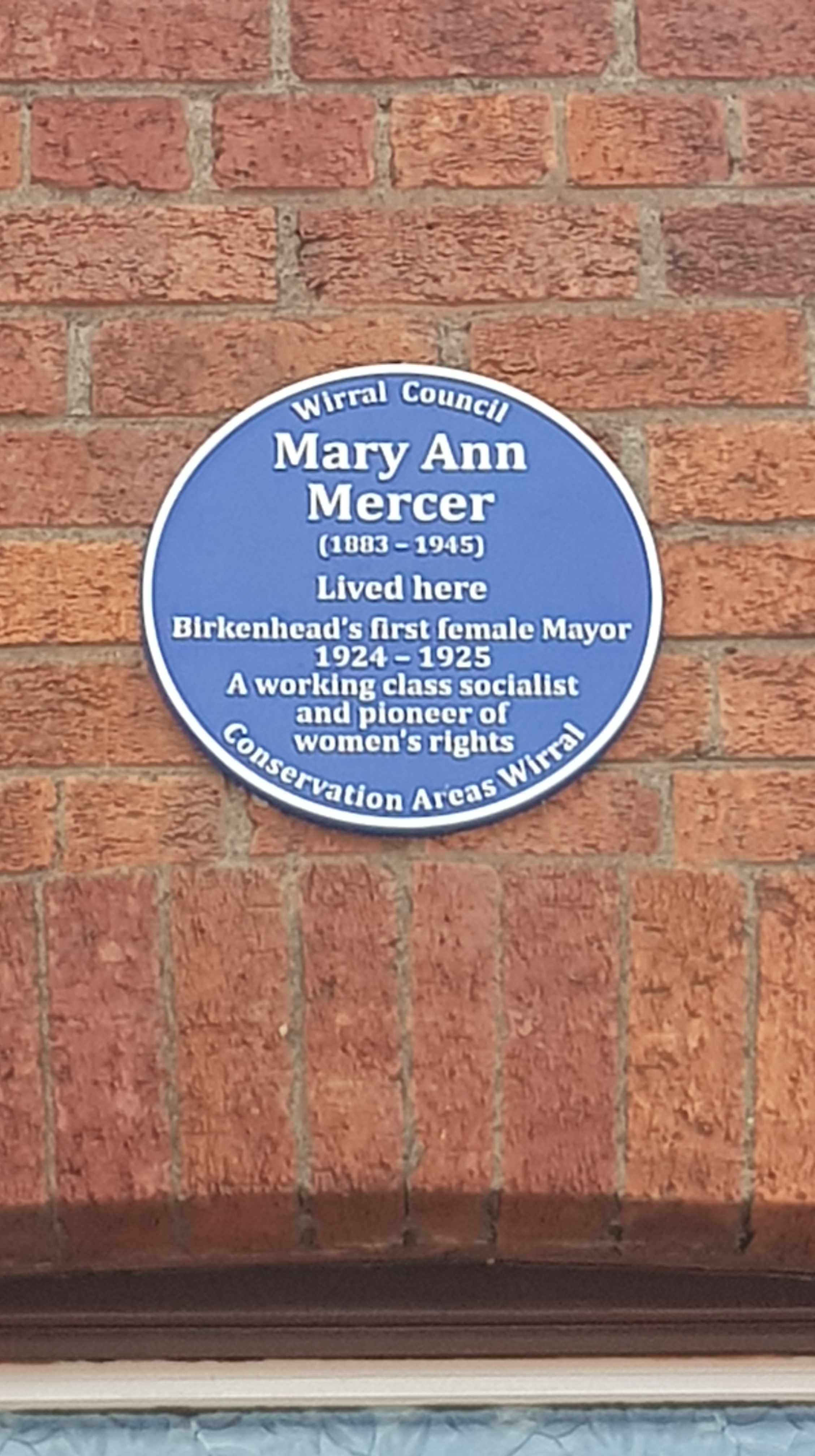
Mary Ann Mercer, Birkenhead
Shropshire Mary Ann Mercer (1883 – 1945) was Birkenhead’s first female Mayor in 1924-25. Her achievement – and record as a working class socialist and pioneer of women’s rights – has been honoured with a blue plaque at her home of 103 Norman Street in north Birkenhead.
The unveiling of the plaque was performed by Wirral Mayor Cllr Ann McLachlan, who had originally suggested honouring Mercer in such a public fashion, and Frank Field MP on Friday 11 May 2018.
Mary was only three when her father died. The subsequent struggles by her mother helped form Mary’s political views. She was to late become a passionate campaigner for state pensions for women.
After training as a nurse, Mary worked as a district visitor in Belfast, marrying a local labour activist and journalist, becoming interested in politics and joining the Labour Party.
Mary was elected as a Labour councillor for the Argyle ward in Birkenhead in 1919. She stayed a councillor until 1945 and by which time women had, following the passing of the 1928 Equal Franchise Act, achieved the same voting rights as men.
In 1924, Mary Ann Mercer was made Birkenhead’s first woman Mayor – at the time she was also only the second Labour female mayor in the country.
According to Ann McLachlan “Mary Ann Mercer held lots of events in Birkenhead Town Hall for children, ensuring they were fed.
“She was a pioneer for women at a time when working class women were not usually in public life, and women generally did not have the vote.”
In 1935, Mercer stood for Parliament and contested the Liberal-held Birkenhead East Division for Labour but was defeated, coming third behind the Liberal and Conservative candidates.
Mary Ann died on September 26, 1945, and Mercer Road in Bidston & St James Ward is named after her. She was buried at Flaybrick Cemetery – where the epitaph on her grave says:
“First woman Mayor and first Socialist Mayor 1924-25 deeply mourned by her children and towns people.”
Many thanks to Unite member Luke Agnew of Birkenhead who sent in this photograph of the plaque and the relevant details. Luke is now working on finding out more about the Birkenhead dock disaster of 6 March that left 14 navvies died and three injured. The cause of this disaster was never definitively established and little information surrounding the event exists.
“The cemetery that I work at is where the 14 dead are buried in mass graves that are overgrown and I want to fix that and then get some headstone erected. It is the least those who died deserve,” explains Luke, who you can contact to help on 07792110973 or by email at lukeagnew@wirral.gov.uk
From Landworker magazine, Spring 2018
 Mark Metcalf ~ independent working class writer and journalist